Space exploration boosted by discharge lighting
When planning a space mission, being able to test the reliability of the power supply gives you one less thing to worry about. Landing on a comet has enough unexpected risks, as the world found out when Philae bounced to a position where there isn’t enough sunlight to recharge its batteries. The satellite, accompanying the Rosetta spacecraft, had undergone vigorous solar simulation testing to ensure it would work in the depths of outer space.
Power Gems customer TS-Space Systems conducted the thermal vacuum testing for some components of the Rosetta mission back in 2002. The solar cells were developed and tested on their solar simulators at AZUR Space in Germany. That system uses a Power Gems high speed ballast. The Marlowe-based company has recently been contracted by Airbus for the European Space Agency’s solar orbiter mission, for the closest ever view of the sun.
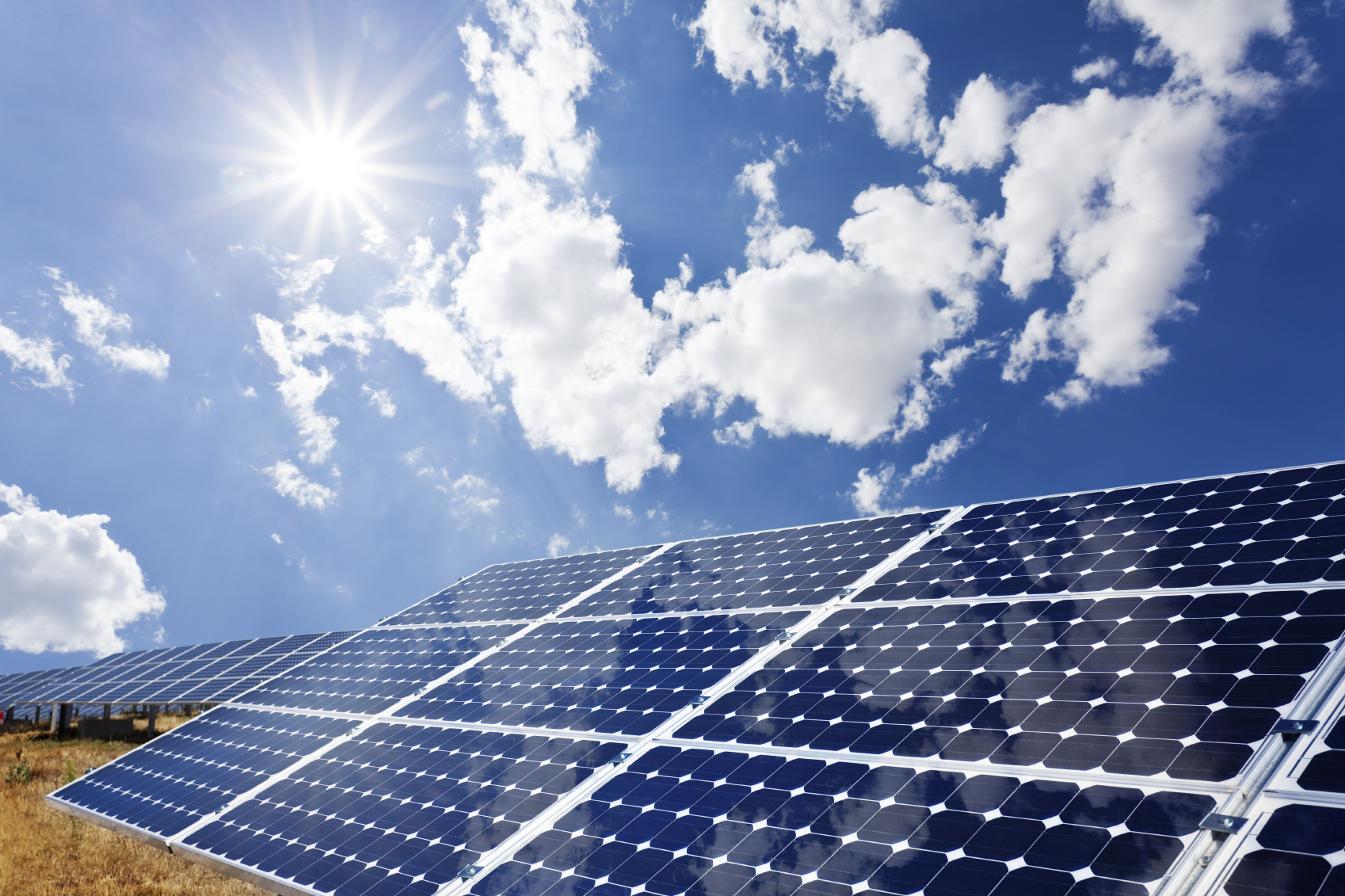
The award-winning physics-based group has been providing support mainly, but not exclusively, to the space industry for more than thirty years. It created the world’s first close-match solar simulator which, as Dr Bill Williams, Director, explains, tries to replicate as closely as possible the solar radiation in space. “The systems we manufacture and our test lab run a very close match to the full spectrum of sunlight in space, but also here on earth.”
A light source actin g as an artificial sun, solar simulation, meets the testing and manufacturing needs of several sectors:
• solar energy
• automotive
• electronic
• chemical
• textiles
• aerospace and defence.
The TS-Space simulators can be found in world-leading research and development laboratories, as well as in commercial product testing and industrial manufacturing processes.
Bill uses Power Gems ballasts to power all the equipment used to test UV-ageing. Created to drive multi-kilowatt AC and DC lamps, the range is tailored to meet demanding scientific and technical applications. The ballasts are trusted to deliver high repeatability, accuracy and reliability of power supply for use in solar simulation, environmental testing and curing applications, where light stability and spectral control are important.
What of the future? “Last year we saw a cut in government funding for research programmes worldwide,” says Bill. “This year has been the polar opposite, as they start investing in science and technology again. They’ve come to realise that it’s small businesses in the R&D sector that drive the UK economy.”